Earth and Space Sciences Regents, January 2026, question 17
Tap an image to open it full size.
What the figure shows
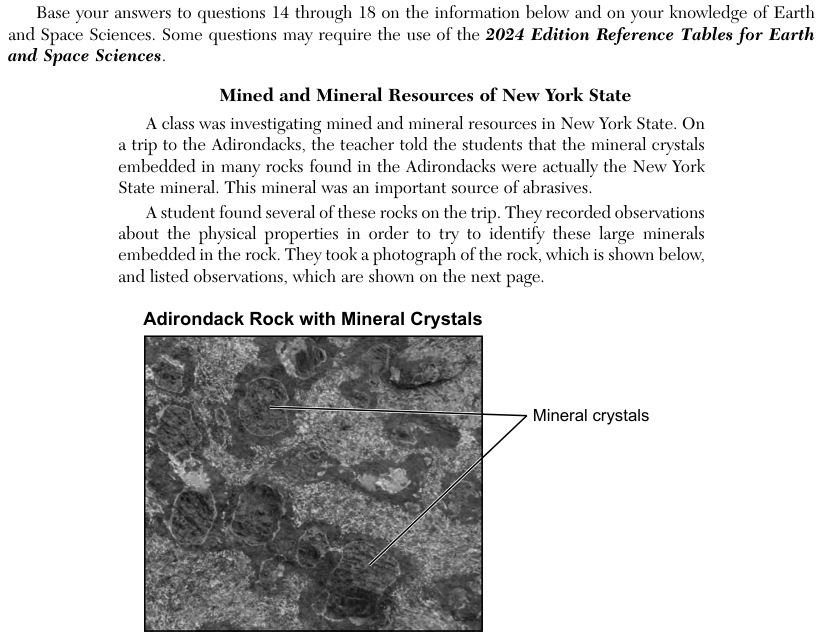
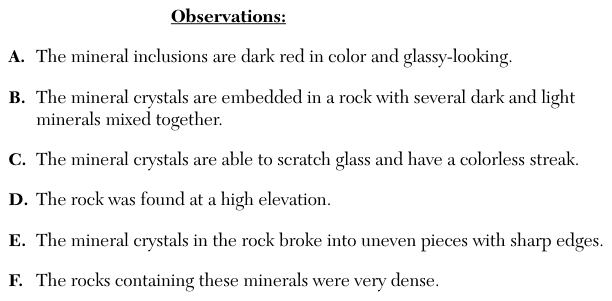
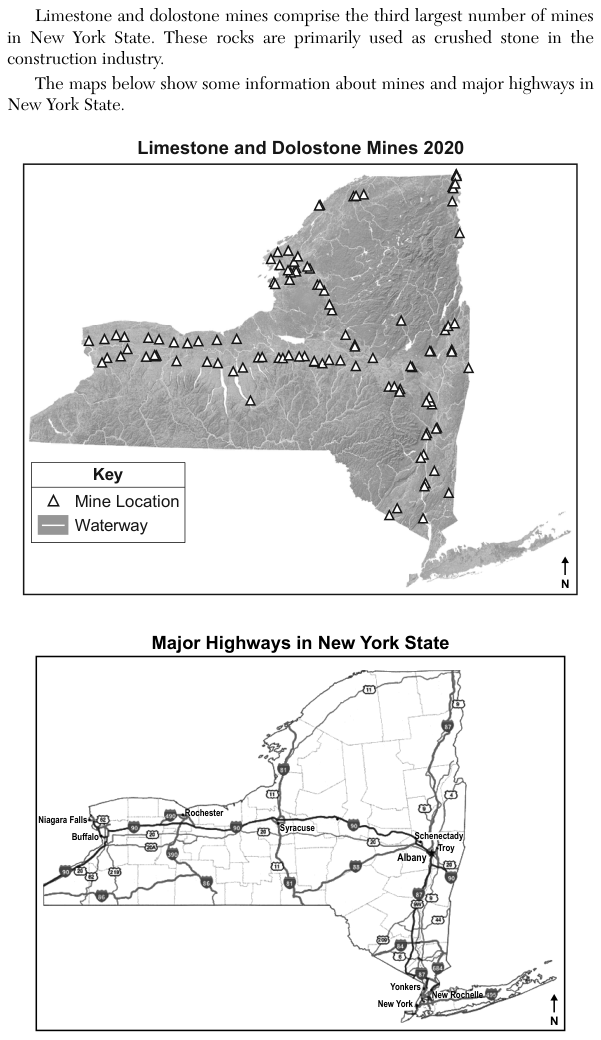
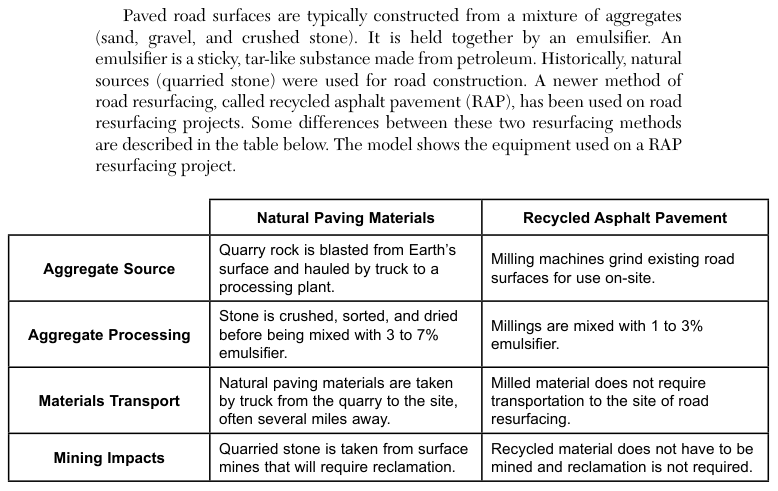
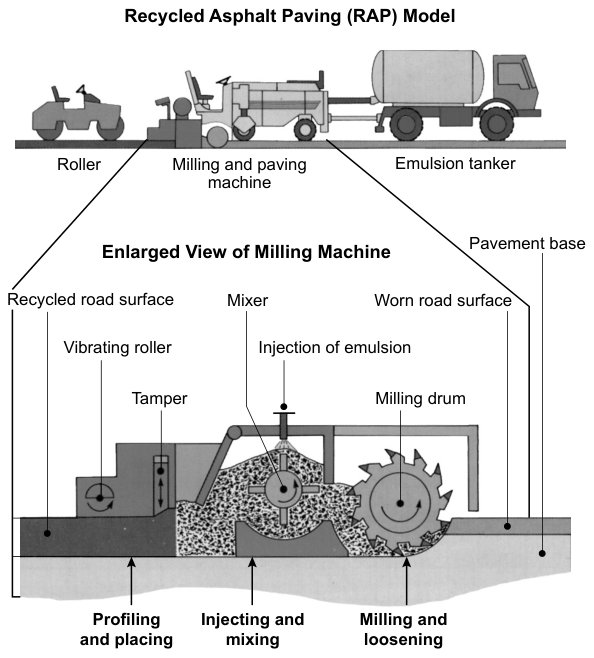
The passages compare two ways of resurfacing roads. A table compares Natural Paving Materials and Recycled Asphalt Pavement (RAP). For natural materials, quarry rock is blasted and trucked to a processing plant, stone is crushed, sorted and dried, then mixed with 3 to 7% emulsifier, trucked to the site often several miles away, and taken from surface mines that will require reclamation. For recycled asphalt pavement, milling machines grind existing road surfaces for use on-site, millings are mixed with 1 to 3% emulsifier, no transport to the site is needed, and the material does not have to be mined, so reclamation is not required. Other parts of the context show maps of limestone and dolostone mines and highways in New York State, photographs of a reclaimed mine, and a model of the recycled asphalt paving equipment.
How to think about it
The question asks for a benefit to a local community. Read each statement and check two things against the table: is it true for the method it names, and is it an advantage rather than a cost? Compare the same row of the table for both methods.
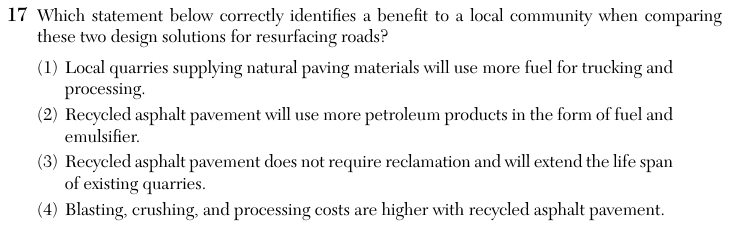
Which statement below correctly identifies a benefit to a local community when comparing these two design solutions for resurfacing roads?
Choice 3 is right. The table states that recycled material does not have to be mined and reclamation is not required. Using old road surfaces instead of new quarry rock means less rock is taken from existing quarries, so they last longer. The community also avoids new mining damage that would need to be repaired.
The table does support that natural paving materials need trucking and processing, but more fuel use is a cost, not a benefit. It does not name an advantage for the community.
This reverses the table. Recycled asphalt pavement uses 1 to 3% emulsifier compared with 3 to 7% for natural materials, and it needs no trucking to the site, so it uses less petroleum, not more.
Recycled asphalt pavement grinds existing road surfaces on-site, so it needs no blasting or quarry crushing. Blasting and crushing belong to the natural paving method. This choice may come from swapping the two columns of the table.